The case for keeping them
Reptiles and amphibians are among the most threatened groups of animals on earth and among the least funded. They are hard to raise money for, because a frog does not photograph like a tiger and a tarantula does not make anybody want to sign a check.
That gap is the reason a place like this exists. Every animal in the collection is here to make an argument, and the arguments are not decoration. They are the reasons the species is in trouble and the reasons it might not stay that way.
Three pressures on wild populations, and every animal here sits under one
People tend to imagine conservation as one problem. It is not. These are the three that decide what happens to the animals in this building, and they need completely different responses.
Habitat, shrinking
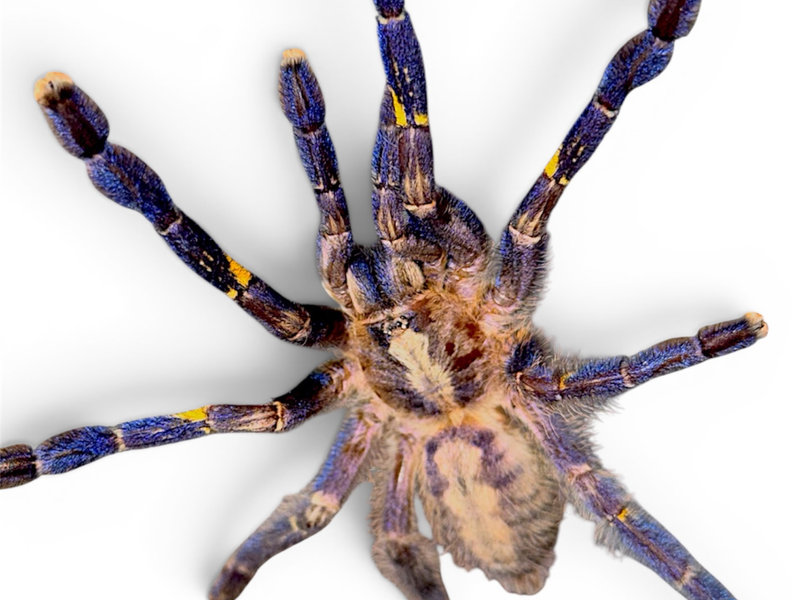
Madagascar has lost a large share of its forest cover, and the golden mantella in this collection lives in a few square kilometers of what is left of it. The Gooty sapphire tarantula is known from a single small fragmented patch of forest in Andhra Pradesh and effectively nowhere else. When a species lives in one place and that place is cut for timber and firewood, range loss is the whole story.
Collection, for the trade
Tortoises are the clearest case of it. The radiated tortoise in this collection is poached at scale for its meat and for the international pet trade, single seizures have run to more than ten thousand animals, and there were an estimated twelve million of them within living memory. The Indian star tortoise is one of the most heavily smuggled tortoises on the planet, seizures at airports regularly run into thousands of animals in a single shipment packed into luggage, and it was moved to CITES Appendix I in 2019, which bans commercial international trade in wild-caught animals. In both of them the pattern on the shell is the reason the animal is worth stealing.
Disease, moving faster than animals do
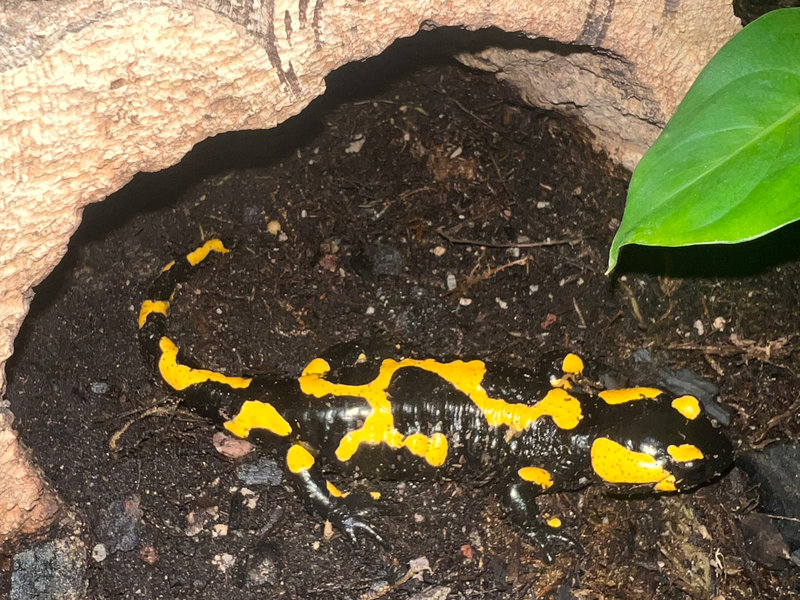
The chytrid fungus Batrachochytrium dendrobatidis was not detected in Madagascar before 2010. Between 2010 and 2014 it was recorded in five separate areas of the country, almost certainly moved there on traded animals. A pathogen crossing an ocean in a shipping crate outruns anything a frog could do on its own, and the golden mantella lives on a few square kilometers with nowhere to go.
What it does, and what it does not
Where it genuinely works
The Gooty sapphire is the clearest case in this collection. It is listed as Critically Endangered, its fame in the hobby made wild collection worth doing, and captive breeding has effectively taken it off the poachers' list. Nearly every Gooty sapphire in the hobby today is captive bred. Supply meets demand, and a wild population is worth more standing than taken.
The same logic applies to the radiated tortoise. Legally bred animals are the only defensible way anybody outside Madagascar should ever see one, and every tortoise produced in captivity is one fewer reason to take one out of the spiny forest. That is exactly what a CITES Appendix I listing is designed to leave room for.
Where it buys time rather than solving anything
The golden mantella is one of the most intensively managed amphibians in the world, with coordinated captive colonies held as insurance against exactly that. It is not a solution, it is a backup for wild groups that may not survive, and it only works if the animals stay properly separated and quarantined.
The honest version
Captive breeding does not save a species on its own. It cannot rebuild a forest, it cannot stop a fungus, and an animal bred in a room in Las Vegas is not a wild animal.
What it can do is take the money out of taking animals from the wild, keep a genetic line alive while the habitat problem is worked on by people with far bigger budgets, and put a living argument in front of somebody who has never thought about any of this.
The third one is the part a small zoo is actually built for.
Nothing here is here by accident
An animal earns its place by teaching something a visitor cannot get from a photograph. These are the rules the collection is built on.
-
Every animal is a permanent resident
Nothing in this collection is for sale and nothing is going anywhere. That is the difference between a zoo and a shop, and it changes every decision that follows it.
-
Captive bred wherever the species allows it
Buying a wild-caught animal of a species that breeds readily in captivity funds the exact problem this place exists to argue against. Where a species is widely captive bred, there is no defensible reason to take one from the wild.
-
The species has to teach something specific
The Gooty sapphire earns its place because it is the argument in one animal. It is one of the rarest spiders on earth, it lives in a fragment of forest in southern India that keeps getting smaller, and nearly every one a person will ever see was bred in captivity. That breeding is a large part of why the pressure has come off the wild population. A spider most people would stand on turns out to be the clearest case for keeping animals at all.
-
Conditions come before display
The Goliath birdeater is the largest spider in the world and it spends most of its life in a burrow on the forest floor, which means an enclosure built correctly for it is one you will often look at without seeing the animal. An enclosure is judged by whether it lets the animal do what it would do in the wild, not by how easily it can be seen.
-
Records or it does not get claimed
An animal whose species has not been confirmed does not get a page here. Common names are not regulated, and the same three words can be sold as three different species in three different shops, which is how animals end up in the wrong conditions. A keeper cannot set humidity, temperature or substrate depth from a common name, and a zoo should not publish a species name it cannot stand behind. Several animals in this collection are waiting on that confirmation before anything about them goes on this site.
Four things you can do that actually change an outcome
Ask for a hatch date and the parents
A seller who cannot tell you when an animal hatched or who bred it is selling you a wild animal. That one question, asked at a reptile show, does more than most donations.
Never release anything
An African spurred tortoise is sold at the size of a hand and reaches a hundred pounds, which is why it is one of the most surrendered reptiles in America. Released into the Mojave it will not survive a winter, and it can leave disease behind for the wild tortoises that do. If you cannot keep an animal, contact a rescue, a keeper or a zoo.
Quarantine, every time
Chytrid travels on skin, water and equipment. Amphibians moved between collections without quarantine are how it crossed a continent in the first place.
Know what you are looking at
A wild desert tortoise in Nevada is protected by federal law and picking it up can seriously harm it. An escaped ball python is somebody's pet and needs help. The two situations look similar and are not.
Conservation work is food, heat and vet bills
Keeping animals properly is unglamorous work. Most of the money goes on electricity, feeder insects and a vet who knows reptiles. A large share of the rest goes on UVB lamps, which have to be replaced on a schedule whether or not they still look like they are working. Sponsoring one animal covers a year of that for one animal, and it is the most direct way to help.